
Warwick, Rhode Island, founded in 1642, boasts a rich tapestry of historical landmarks that reflect its colonial roots, maritime heritage, and industrial past. From preserved homes of Revolutionary War figures to iconic lighthouses, Warwick offers a journey through American history.
1. Forge Farm
Established in the mid-17th century by the Greene family, Forge Farm is one of Rhode Island’s oldest farms. It was the birthplace of General Nathanael Greene, a prominent American general in the Revolutionary War. The main house, built in 1684, has undergone various additions over the centuries. The farm remains a testament to early American agrarian life.
2. Gaspee Point
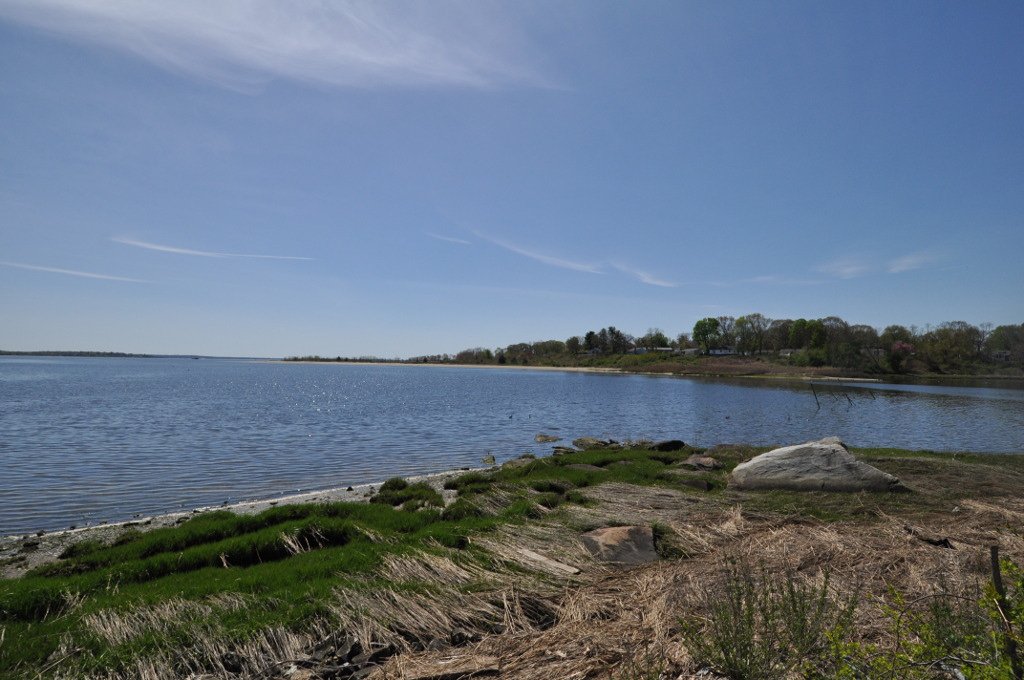
Gaspee Point is the site of the 1772 Gaspee Affair, one of the first acts of rebellion leading up to the American Revolution. American patriots boarded and burned the British schooner HMS Gaspee here, protesting the enforcement of British trade regulations. The event is commemorated annually during the Gaspee Days Festival.
3. Clouds Hill Victorian House Museum
Built between 1871 and 1877 as a wedding gift for Elizabeth Ives Slater Reed, this Gothic Revival mansion showcases Victorian-era craftsmanship. Designed by architect William R. Walker, the house features unique elements, including an Egyptian-themed room. Now a museum, it offers insights into 19th-century life and architecture.
Related read: A Simple Guide to Warwick’s Museums
4. John Waterman Arnold House
This late 18th-century house, now home to the Warwick Historical Society, exemplifies colonial architecture with its central chimney and Greek Revival entrance. The cellar’s fireplace suggests it once served as a kitchen.
5. Warwick Neck Lighthouse
Erected in 1827, the Warwick Neck Lighthouse has guided vessels through Narragansett Bay for nearly two centuries. A dwelling was added in 1932, and the lighthouse was listed on the National Register of Historic Places in 1988. While not open to the public, it remains an iconic maritime landmark.
6. Knight Estate
Built circa 1830 for industrialist William Sprague II, the Knight Estate later became the residence of Webster Knight, who developed it into a gentleman’s farm. In 1964, the estate was donated to the state and now serves as the Knight Campus of the Community College of Rhode Island.
7. Apponaug Historic District
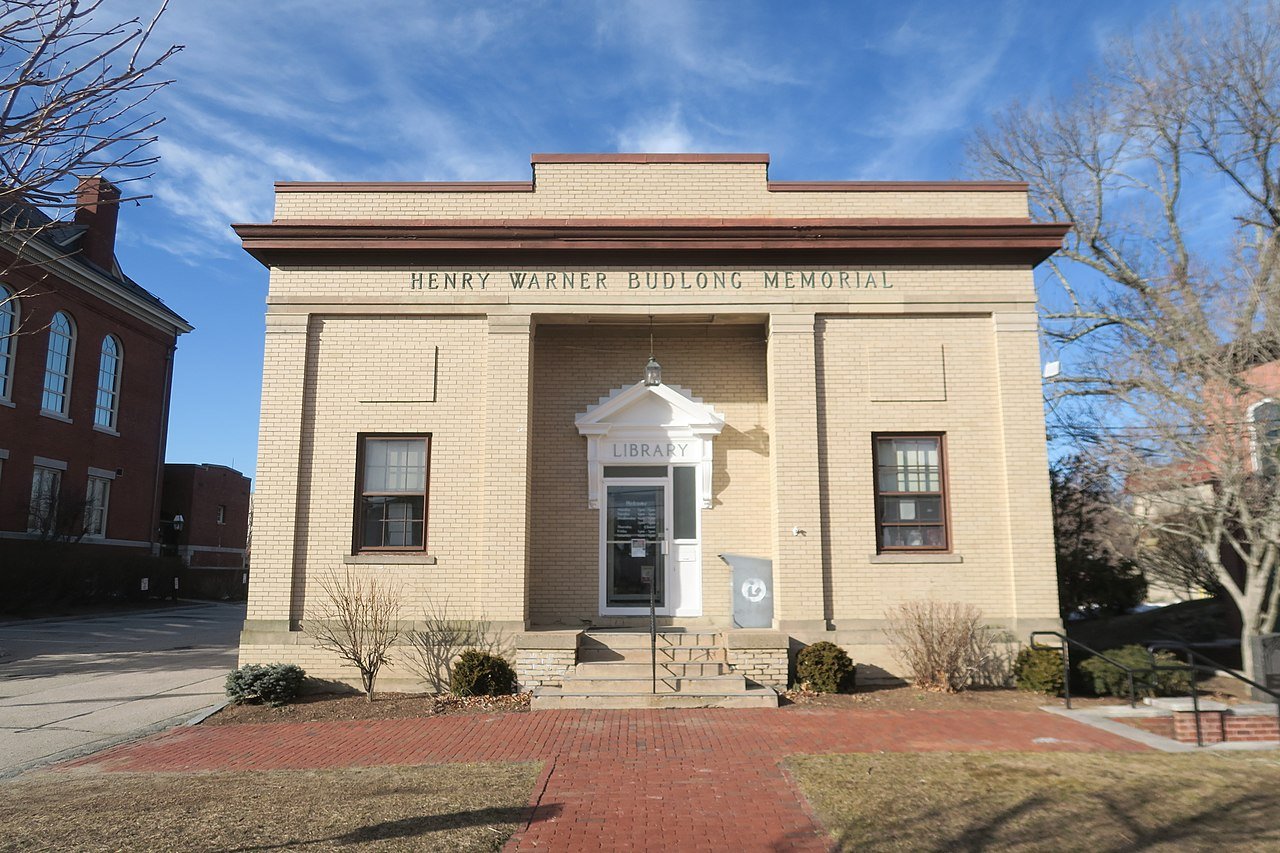
Apponaug, Warwick’s governmental center since 1834, features over 30 historic structures. The district includes Warwick City Hall, the Henry Warner Budlong Memorial Library, and the Kentish Artillery Armory. These buildings, constructed between 1890 and 1925, showcase Colonial Revival and Queen Anne architectural styles.
8. Pawtuxet Village
Settled in 1638, Pawtuxet Village is one of New England’s oldest communities. Its location along the Pawtuxet River contributed to its growth as a seaport in the 18th century. The village boasts a concentration of Colonial and Federal-era architecture and played a role in the Gaspee Affair.